+86 13688916156 (WhatsApp & WeChat)
 Email: sales@lifmei.com
 Region/Language
Products Recommended
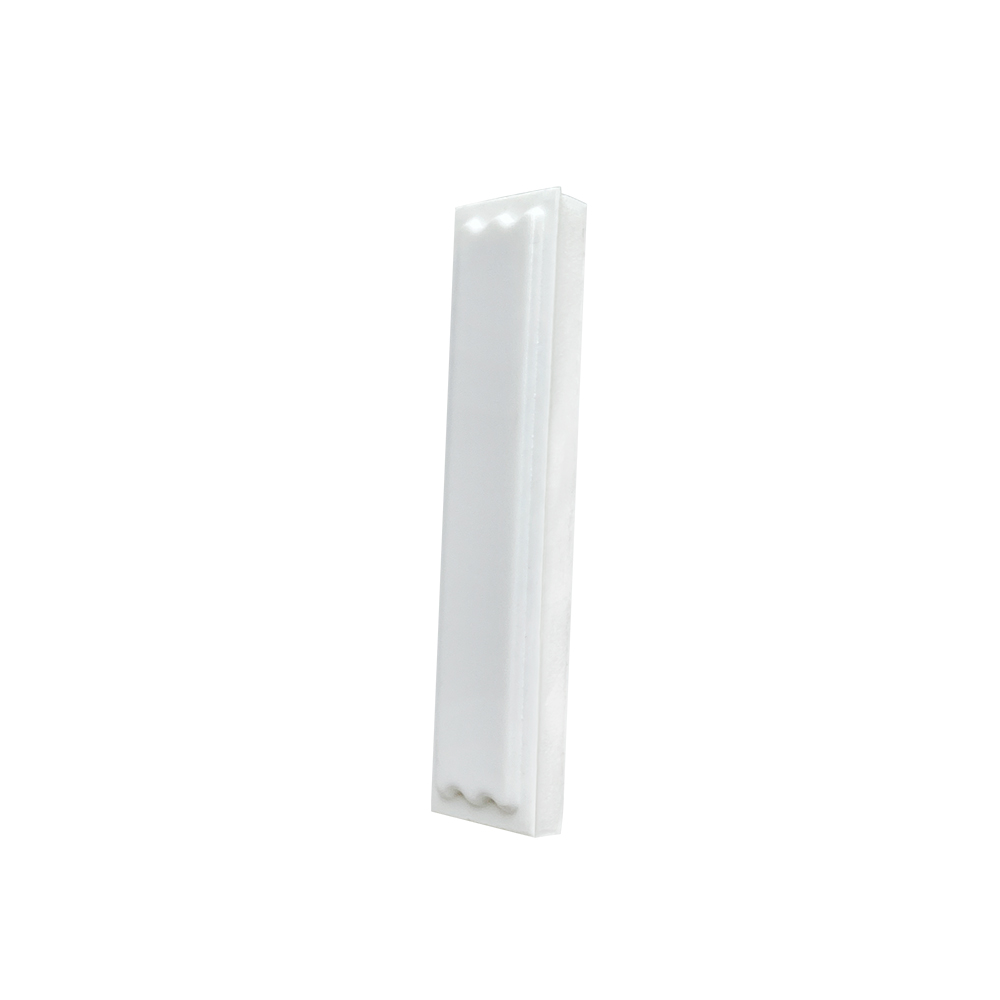
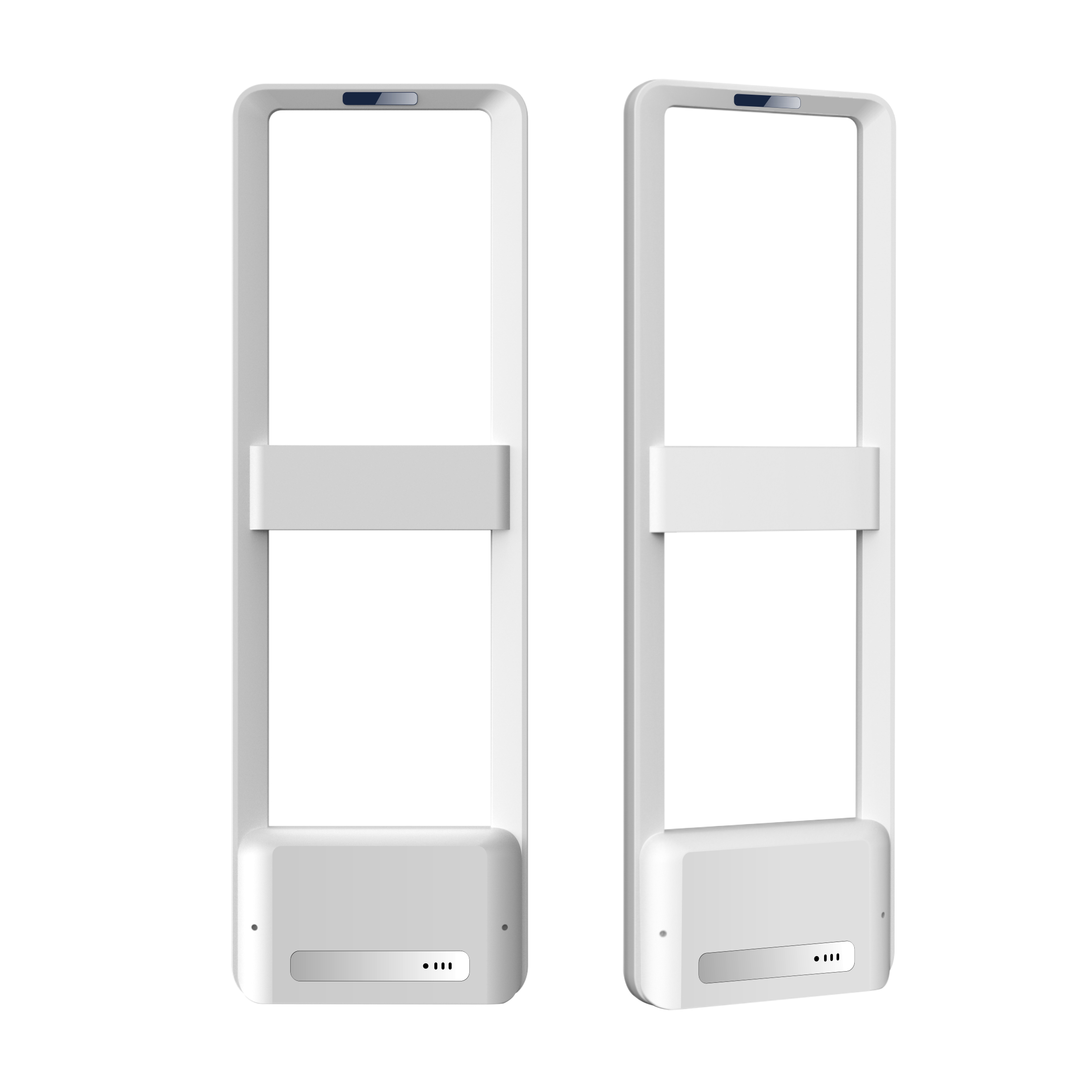
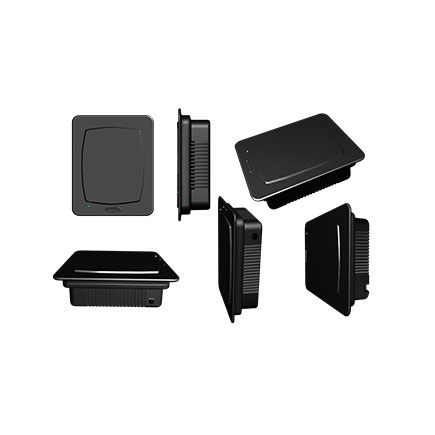
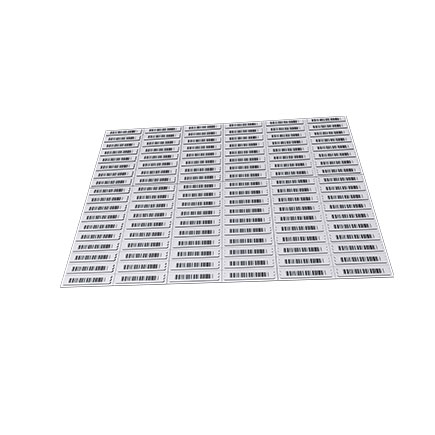
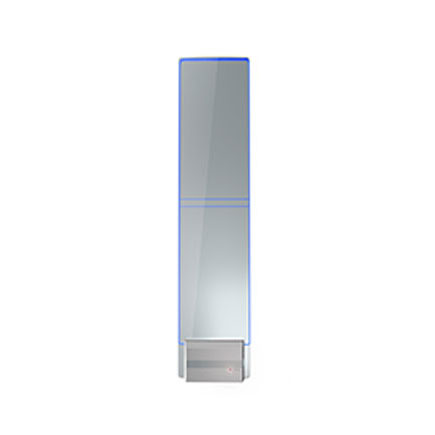
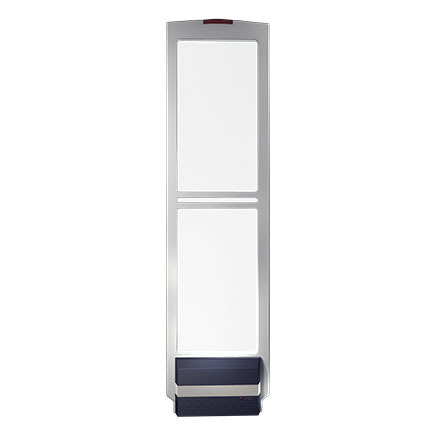
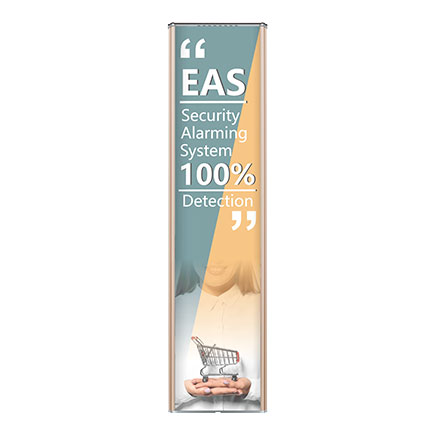
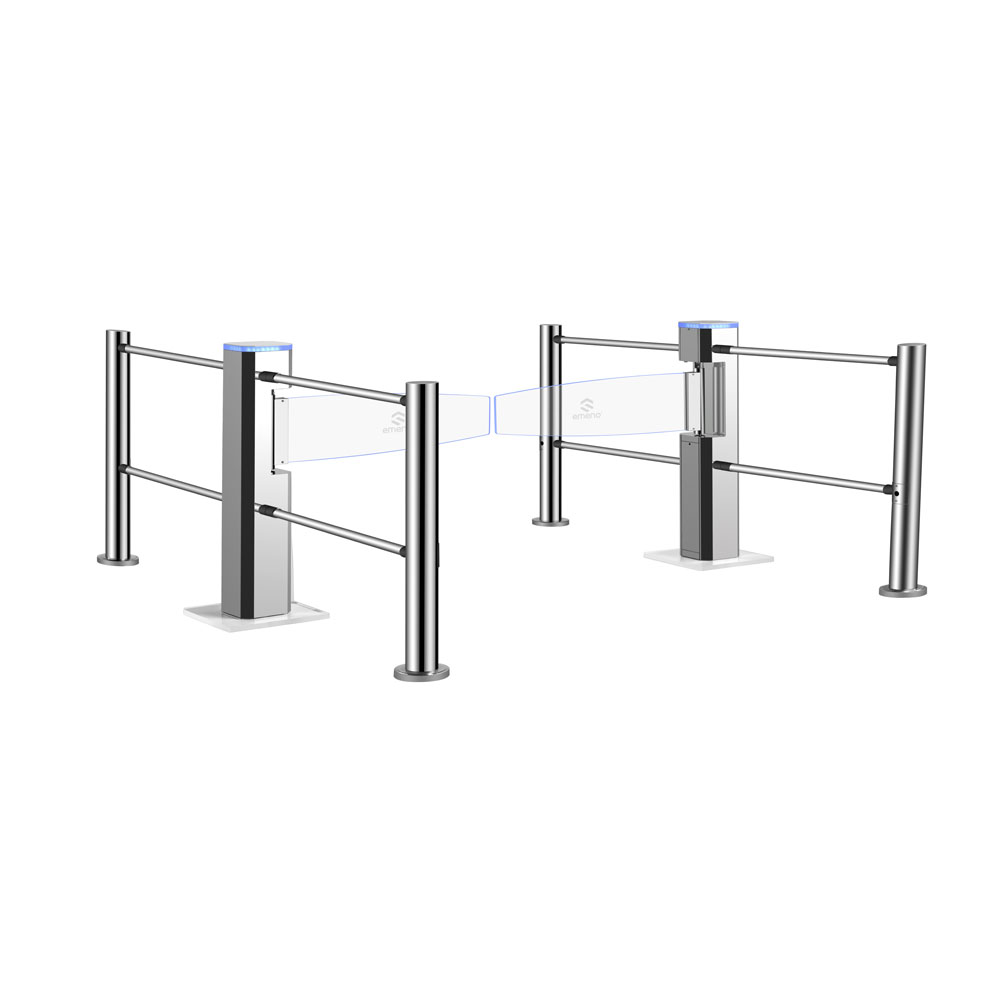
A standard EAS Electronic Article Surveillance and Access Control System consists of three core modules: Detection Antennas (Security Gates), EAS Tags (soft/hard tags), and Deactivation/Detacher Devices. Working in synergy, these components trigger an alarm if merchandise passes through the exit without proper checkout, effectively reducing shrinkage.
1. Detection Antennas: The "Goalkeepers" of the System
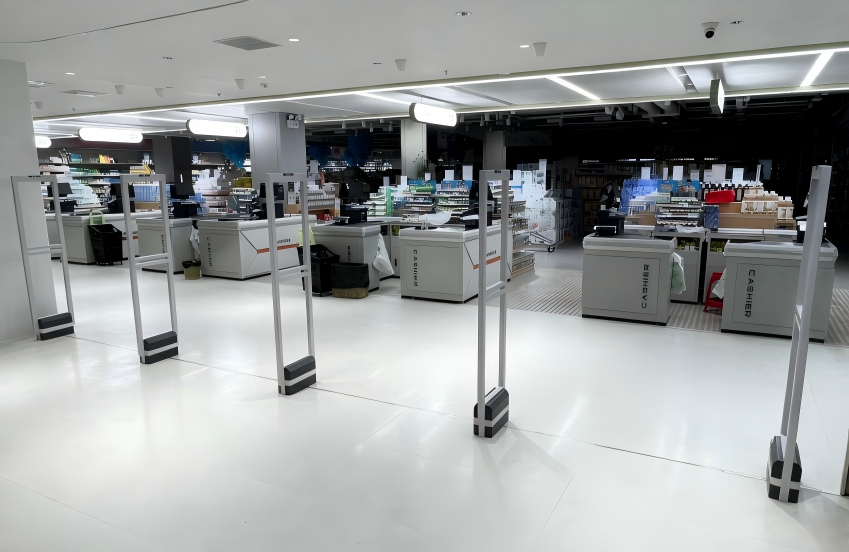
Installed at store exits, EAS gates are the core hardware of the solution. Equipped with built-in transmitter and receiver units, they create an invisible surveillance field. When an item bearing an active (undeactivated) tag passes through, the system instantly recognizes it and triggers a sound-and-light alarm, alerting staff to conduct a verification check.
2. EAS Tags: Versatile "Identity Locks" Tailored to Merchandise
Tags are primarily categorized into two types to suit different retail formats:
-
Soft Tags: Designed for single use, these are typically affixed to small, high-value hard goods (e.g., cosmetics, toiletries). At checkout, they are permanently deactivated via demagnetization or decoding at the POS counter.
-
Hard Tags: Reusable and durable, these are secured to apparel, footwear, bags, and accessories using lanyards or pins. They require a specialized detacher (detaching device) for removal.
3. Deactivators/Detachers: The "Release Mechanisms" at Checkout
These devices are deployed at the point-of-sale. Deactivators neutralize soft tags, while Detachers swiftly remove hard tags, ensuring a smooth and uninterrupted checkout experience for customers.
Pricing: No Fixed "One-Size-Fits-All" Cost—Configuration Defines Budget
The total cost of an EAS system is influenced by multiple factors, including technology type (AM Acousto-Magnetic / RF Radio Frequency / RFID), the number of antenna lanes, housing materials (e.g., standard models vs. premium acrylic transparent designs), installation, and after-sales service. Quotes are typically customized based on specific scenarios.
For instance, a basic AM system for a small-to-medium-sized supermarket (one main antenna plus one auxiliary antenna) often requires only a four-figure investment (in local currency). Costs increase proportionally for wider aisle configurations or high-end aesthetic designs. Additionally, retailers must account for the recurring procurement of consumables—such as soft tags and hard tags—as part of their long-term operational costs.
Procurement Advice: Prioritize Source Manufacturers and Evaluate Long-Term Value
It is advisable to prioritize EAS source manufacturers with in-house R&D and production capabilities. Taking Emeno as an example, its equipment features proprietary DSP digital signal motherboards, delivering exceptional anti-interference performance and maintaining low false-alarm rates even in complex electromagnetic environments. Crucially, with both host devices and compatible consumables supplied directly from the factory, compatibility is guaranteed, and bulk purchases qualify for tiered pricing—significantly lowering long-term operational and consumable expenses.
In summary, retailers should align store size, product categories, and foot traffic with a comprehensive assessment of equipment performance and ongoing consumable costs to select a truly cost-effective, business-specific EAS security solution.

 +86 13688916156 (WhatsApp & WeChat)
 sales@lifmei.com
 No.159, Liyatang Lincun Community, Tangxia Town, Dongguan, Guangdong, China, 523711