+86 13688916156 (WhatsApp & WeChat)
 Email: sales@lifmei.com
 Region/Language
Products Recommended
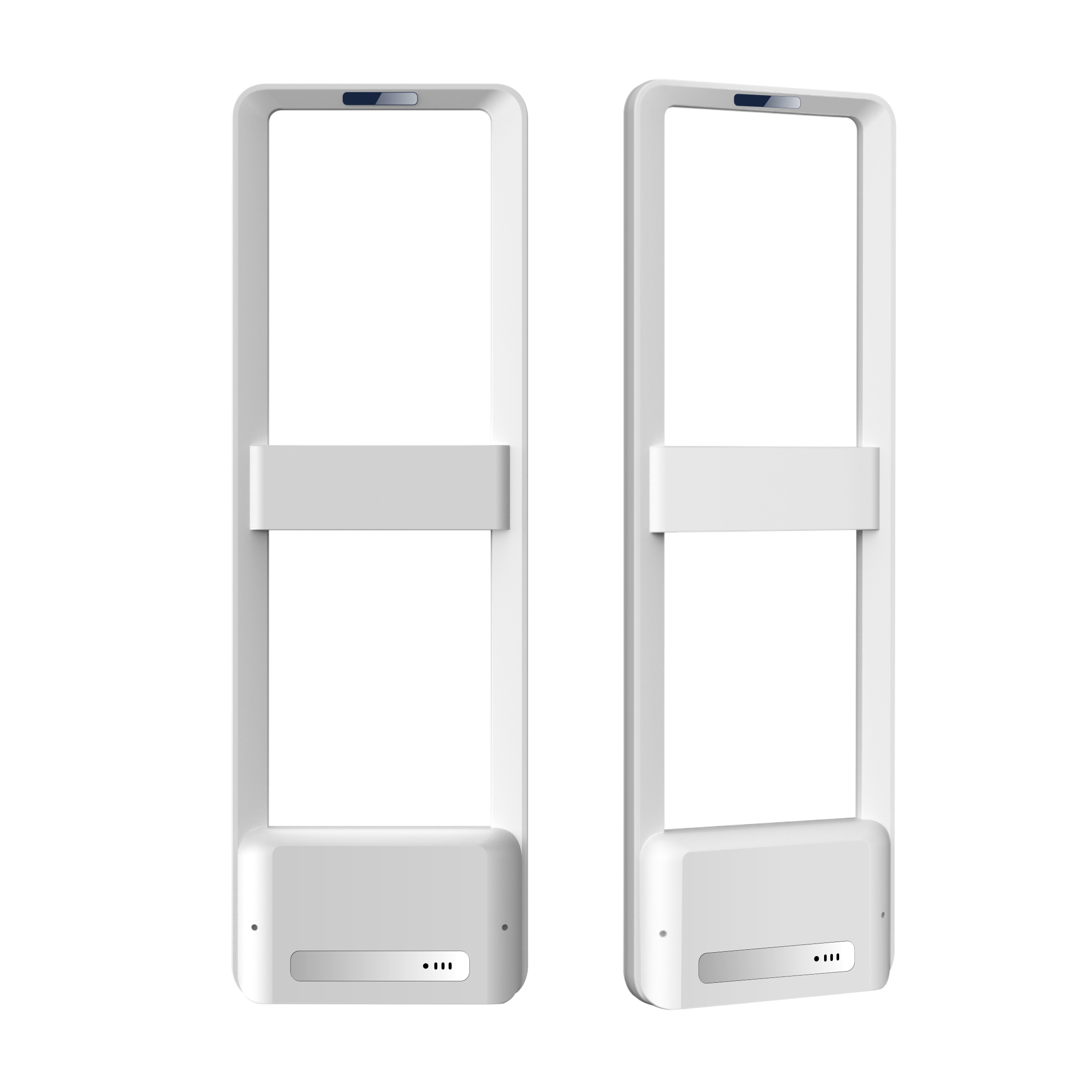
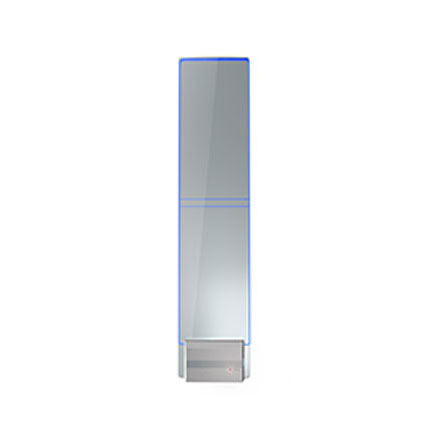
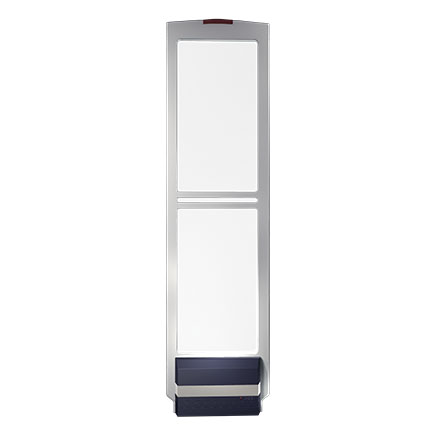
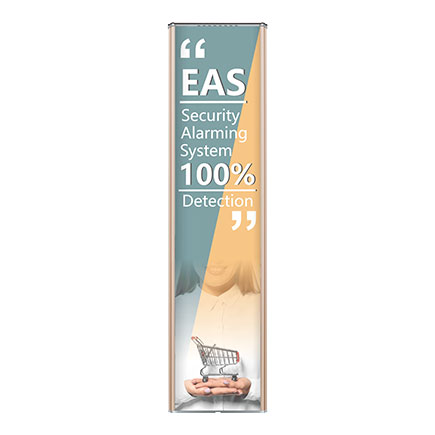
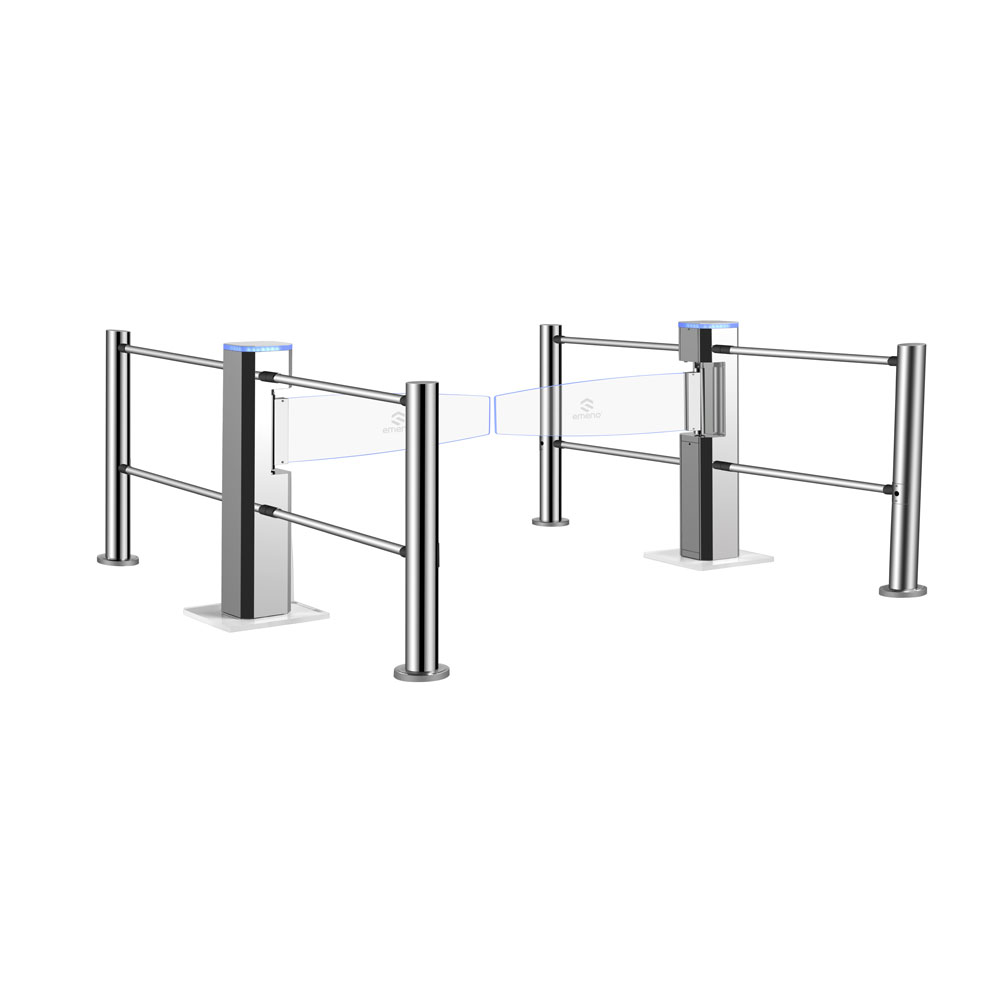
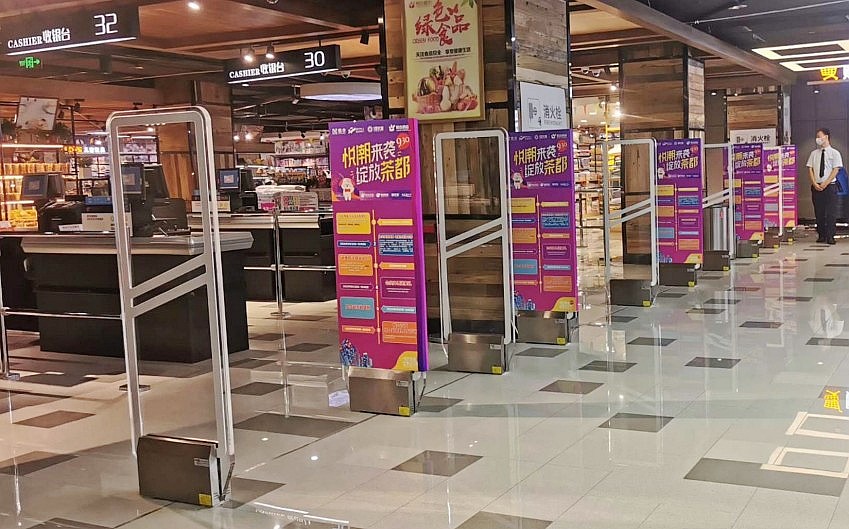
Many store owners share this concern: "We didn't plan for security during renovation. Now that the tiles are laid and the storefront is finished, can we still install EAS gates without tearing everything apart?"
The direct answer: Yes, absolutely—and it won't require major construction.
Why the "Impossible" Myth?
Traditional EAS installation often involves pre-burying cables in floors or walls during renovation. While this is the ideal setup, it's not the only option. A finished store just loses the convenience of hidden wiring, not the possibility of installation.
Practical Solutions
1. Surface Conduit (Zero Damage)
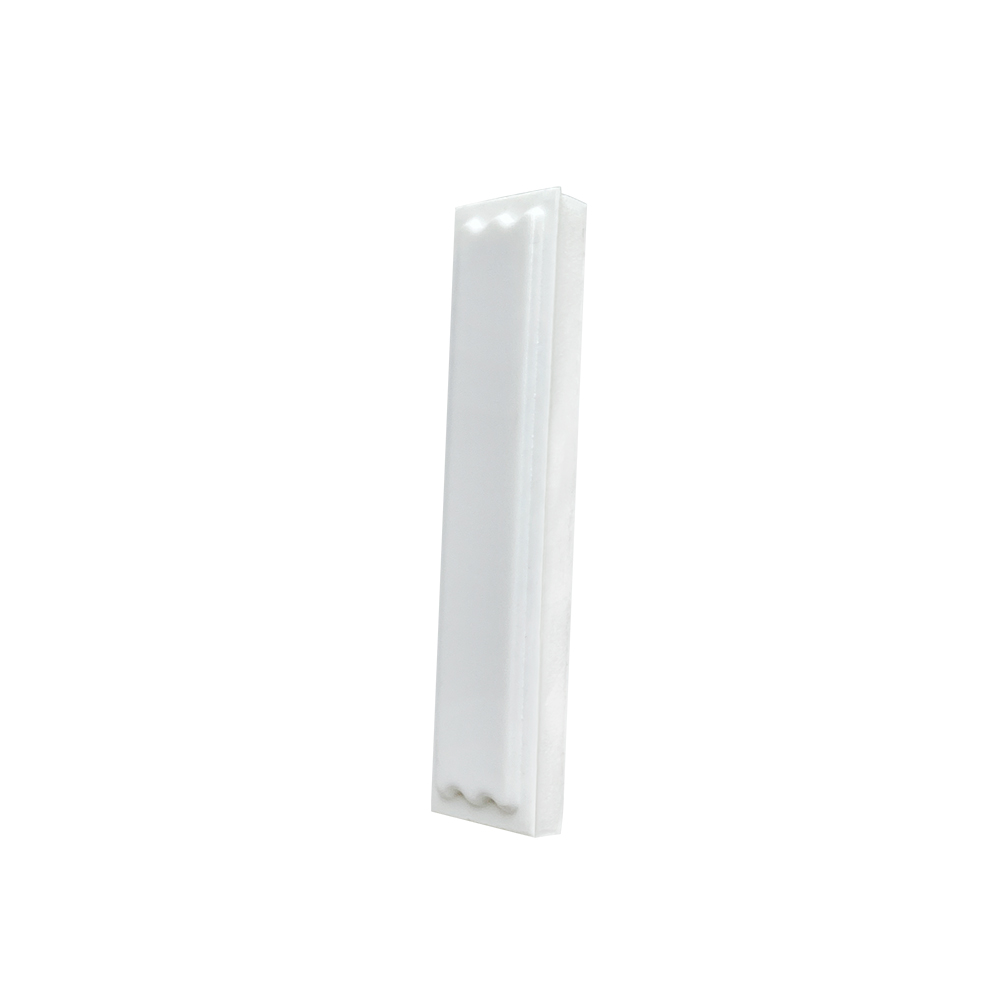
The simplest method uses a surface-mounted cable protector between the two antennas. This rubber or PVC strip adheres directly to tiles, hiding the wires inside. It looks like a narrow arc matching your floor color—hardly noticeable. No drilling, no cutting; installation takes about an hour. Just ensure the surface is clean for a strong bond.
2. Minimalist Floor Cutting
If surface wiring bothers you, a tiny groove (approx. 10mm wide/deep) can be cut at the entrance to bury the cable, then covered with a stainless steel strip or patched with cement. It’s minimally invasive and limited to the doorway.
3. Natural Camouflage
If you have a doormat, threshold stone, or tile pattern gaps, wires can be completely hidden underneath or along the seams.
Key Considerations
- Power Supply: EAS needs a dedicated power line, not shared with heavy equipment. Routing from the nearest panel is usually manageable.
- Metal Interference: Keep large metal objects at least 1 meter away; the decoder should be 1.5m from the gate. For metal-heavy environments, acoustic-magnetic (AM) systems offer better anti-interference and lower false alarms—ideal for clothing stores.
- Test Before Fixing: Always test the equipment at the planned spot for detection range and interference before finalizing wiring.
The Real Value
Installation is technically easy; it’s mostly an aesthetic choice. Surface conduits mean zero damage; a subtle floor strip looks nearly original.
Remember: EAS isn't just an alarm—it's a visual deterrent. The sight of gates makes thieves think twice. One stolen coat can cost more than a basic EAS system. Don't let wiring worries delay your security.
Conclusion: Renovation is not a barrier—hesitation is. Experienced installers can assess your site, propose a wiring plan, and finish in half a day. Your store stays open.
For professional EAS solutions, contact emeno—your one-stop anti-theft expert!

 +86 13688916156 (WhatsApp & WeChat)
 sales@lifmei.com
 No.159, Liyatang Lincun Community, Tangxia Town, Dongguan, Guangdong, China, 523711