+86 13688916156 (WhatsApp & WeChat)
 Email: sales@lifmei.com
 Region/Language
Products Recommended
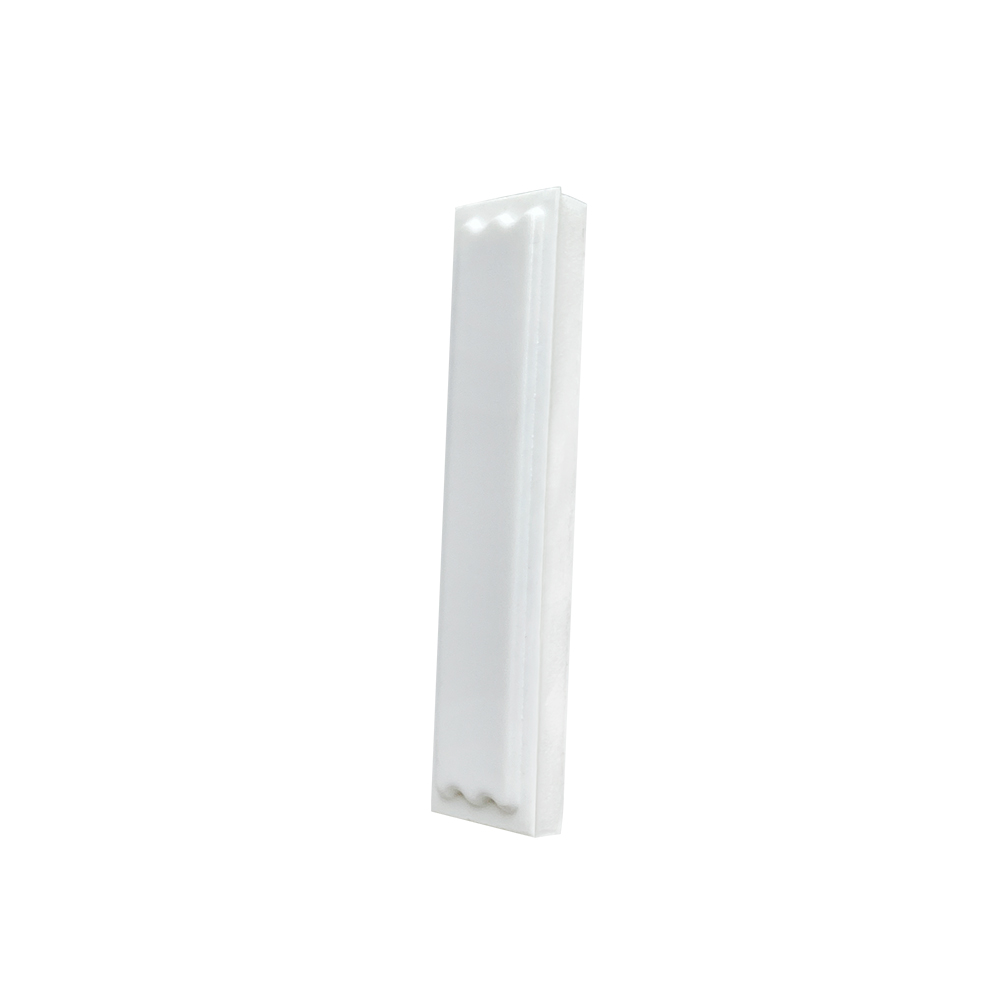
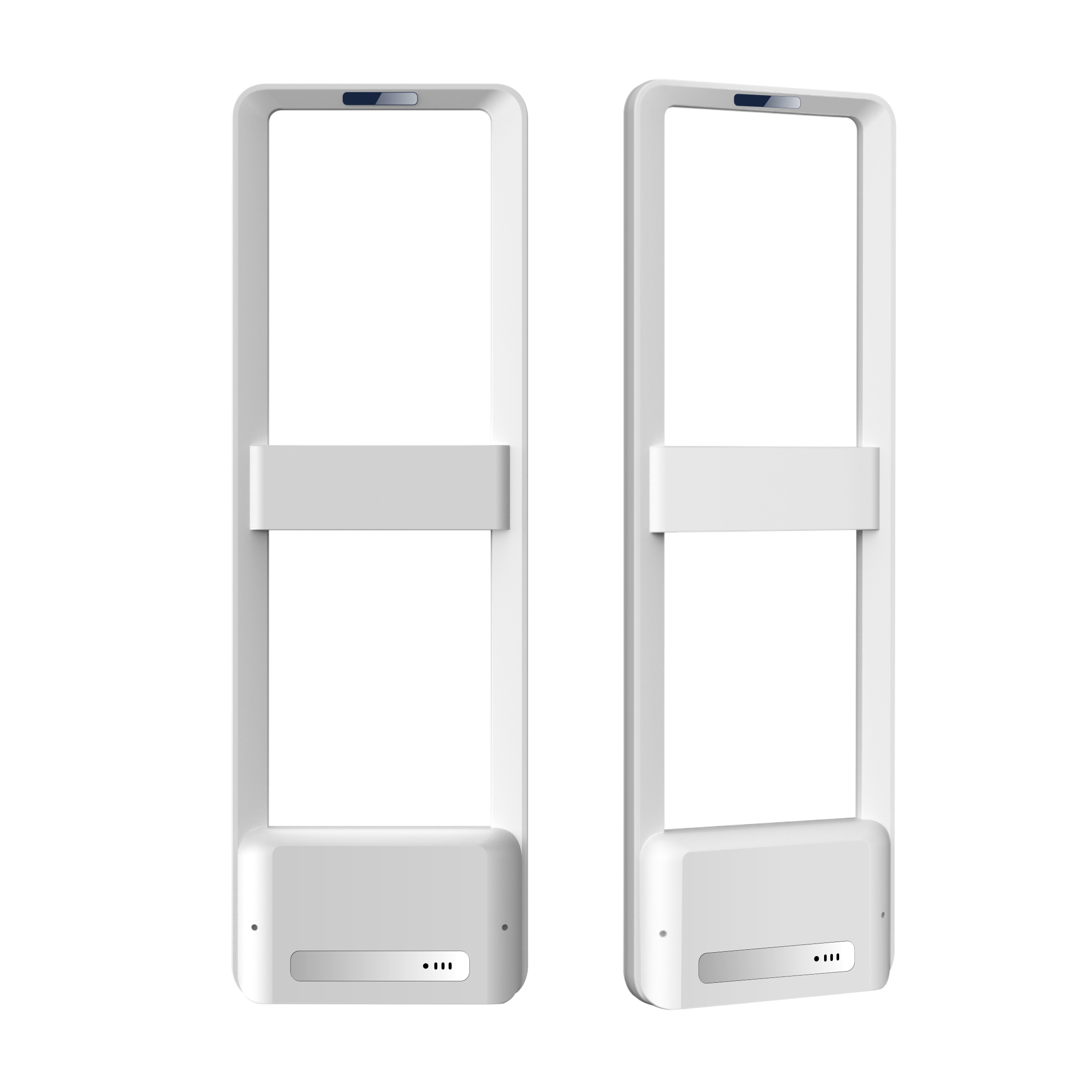
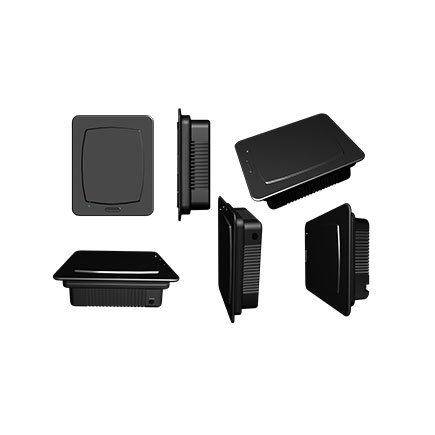
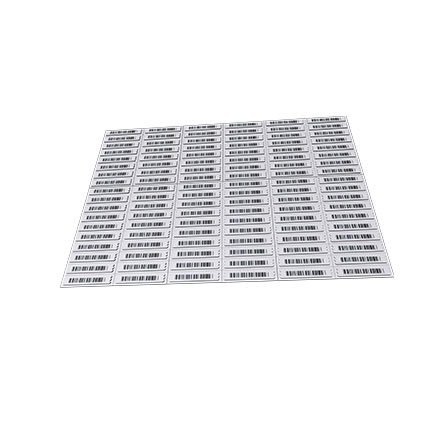
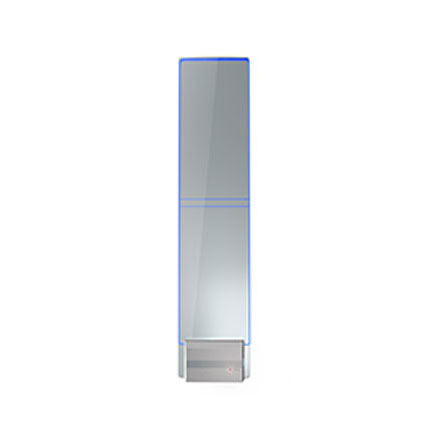
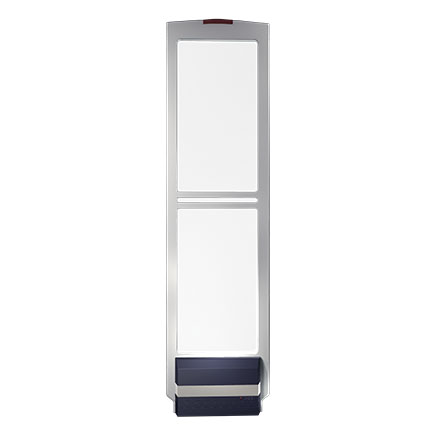
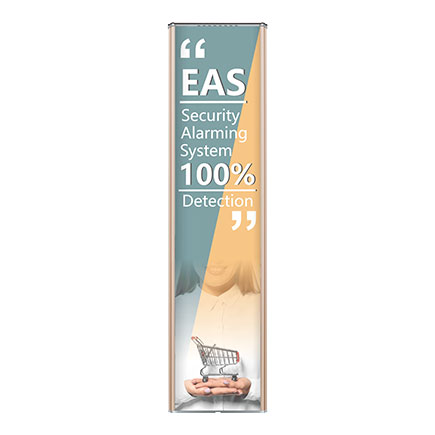
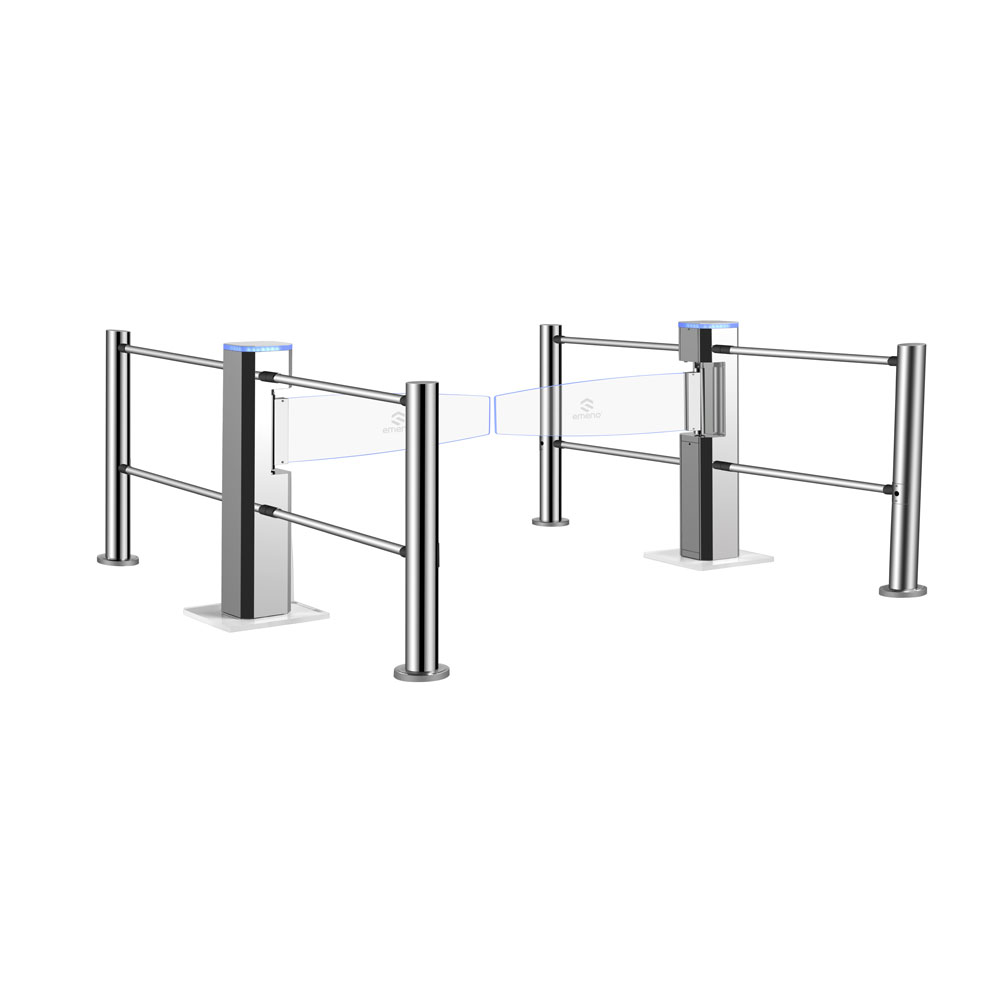
Many people wonder when walking out of a supermarket: why does the gate alarm for unpaid items, yet paid products pass through silently? It does not rely on barcode scanning or cameras. What you’re seeing is an EAS anti-theft system, which operates on electromagnetic resonance. It is the most common loss-prevention solution used in supermarkets, apparel stores, and beauty retailers.
There are two mainstream EAS technologies on the market today: RF and AM . Emeno offers mature solutions for both, making them among the most widely deployed types in domestic retail.
· RF systems feature a simple architecture and high cost-effectiveness, making them ideal for everyday grocery and snack stores.
· AM systems offer stronger anti-interference performance and fewer false alarms, which is why they are preferred by liquor stores, baby formula shops, and clothing boutiques.
The core of an RF system is an LC resonant circuit. The gate’s transmitter continuously emits electromagnetic waves at a fixed frequency of 8.2 MHz. The soft label attached to the product contains its own coil and capacitor, forming a resonant circuit. When the label enters the antenna’s detection zone and matches the transmission frequency, resonance occurs, reflecting a unique signal back. Once the receiver antenna captures this signal, it immediately triggers an audible and visual alarm.
The AM system works more ingeniously—similar to a tuning-fork resonance. Inside the tag is a special amorphous metal strip. The gate intermittently emits a 58 kHz pulsed magnetic field, driving the alloy strip to vibrate continuously. Even during the pulse pause, the strip briefly sustains its vibration and feeds back a stable signal. Emeno’s AM anti-theft gates are equipped with DSP digital signal algorithms, requiring multiple consecutive resonant feedback loops before triggering an alarm. This makes it difficult for phones, keys, or metal shelves to produce the same signal pattern, drastically reducing false alarms and allowing for wider detection lanes.
So why don’t paid items alarm after checkout? The answer depends on whether the store uses soft labels or hard tags:
· Soft labels (stuck to packaging) are deactivated at the POS by passing the item over a deactivator pad. The pad outputs a strong pulse that directly breaks the capacitor inside the label, destroying the resonant circuit. The label then loses its ability to resonate and passes through the gate silently.
· AM soft labels work differently: deactivation alters the magnetic bias state inside the tag’s alloy strip, stopping it from vibrating—effectively putting the tag into “sleep mode.”
As for plastic hard tags used on clothing, bags, and similar merchandise, the deactivator cannot disable them. Instead, the cashier removes them with a specialized detacher. These tags are then recycled and reused. Many customers mistakenly believe barcodes or QR codes trigger the alarm. In reality, barcodes are only for pricing and are completely independent from the EAS system. Even without scanning, if the tag remains active, the gate will still alarm.
Occasionally, customers experience the embarrassment of the gate alarming even after payment. Most of the time, this is not a device malfunction. Common causes include:
· The label was not pressed firmly against the deactivation pad;
· The dwell time was too short, resulting in incomplete deactivation;
· Foil packaging or metal cans shielded the signal, causing deactivation failure;
· The store installed the equipment too close to refrigerators or POS terminals, where electromagnetic interference disrupted recognition.
When shipping equipment, Emeno calibrates sensitivity according to the store’s specific environment to mitigate such interference, reduce customer embarrassment, and lower complaint rates.
Many new store owners are most concerned about missed detections, false alarms, and lane width. Neither RF nor AM is absolutely superior across the board:
· For small community supermarkets with moderate foot traffic and limited budgets, RF is usually sufficient.
· For high-traffic locations with abundant metal equipment at the entrance or high-value merchandise, the AM solution is the better priority.
A complete anti-theft system—including gates, deactivators, labels, and detachers—must be properly matched. Mixing brands with incompatible signal protocols can easily lead to unstable detection.
In summary: A supermarket anti-theft gate is essentially a signal detector. Whether it alarms depends entirely on whether the anti-theft tag on the item remains in an active state. The checkout process simply deactivates or removes the tag so it no longer resonates with the gate’s antenna. As a fundamental tool for store loss prevention, choosing a well-calibrated, category-adapted EAS system not only reduces theft losses but also avoids the customer friction caused by frequent false alarms.


 +86 13688916156 (WhatsApp & WeChat)
 sales@lifmei.com
 No.159, Liyatang Lincun Community, Tangxia Town, Dongguan, Guangdong, China, 523711